
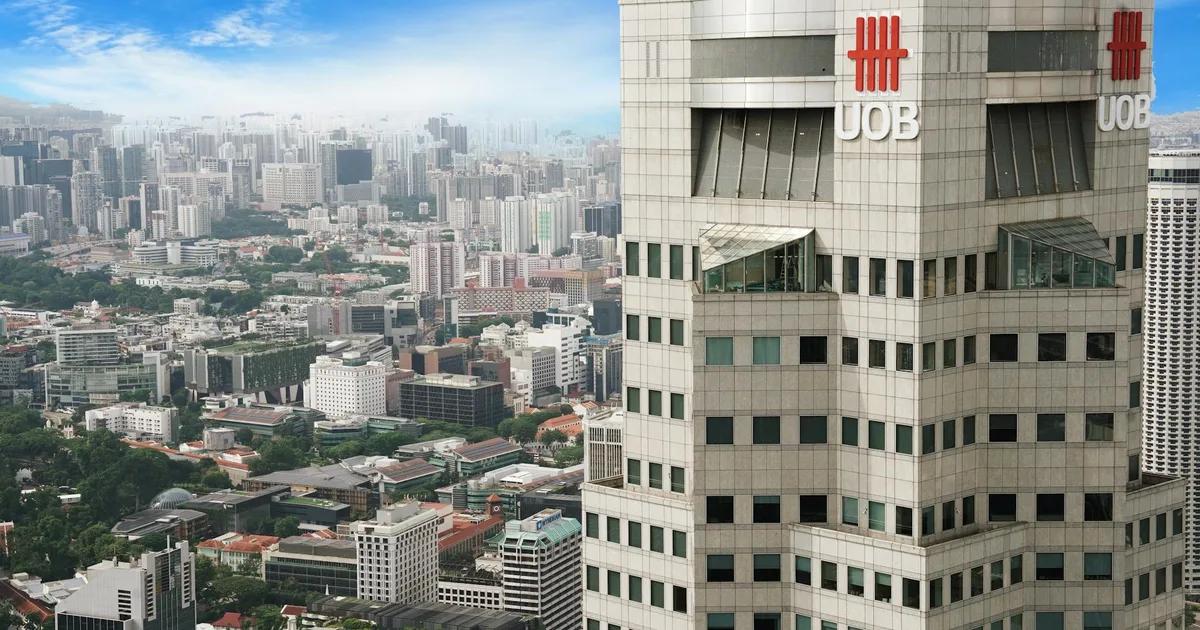
Ипотека в UOB Thailand для иностранцев: ставки, условия и шансы на одобрение
В 2026 году иностранец может получить ипотеку в тайском банке. Это не миф и не маркетинговый трюк - United Overseas Bank (UOB) Thailand остаётся одним из немногих банков в стране, реально выдающих кредиты нерезидентам. Но между 'может' и 'получит' - пропасть из документов, условий и подводных камней.
UOB - сингапурский банк с полной тайской лицензией. Его программа ипотечного кредитования иностранцев существует с 2010-х годов и пережила несколько волн ужесточения. Сегодня это самый реалистичный банковский путь к кредиту на покупку кондоминиума в Таиланде для граждан России, СНГ и других стран.
Однако ставки выше, чем для тайцев, требования жёсткие, а процент одобрения - по оценкам рынка - не превышает 30-40% от поданных заявок. Разберём всё по полочкам.
Быстрый ответ
- Банк: UOB Thailand - единственный крупный банк, системно работающий с иностранными заёмщиками
- Максимальный LTV (Loan-to-Value): до 50-70% от оценочной стоимости объекта, в зависимости от профиля заёмщика
- Процентная ставка: от 5,5% до 7,5% годовых (плавающая, привязана к MLR - Minimum Lending Rate)
- Срок кредита: до 25 лет, но не позднее достижения заёмщиком 65 лет
- Минимальная сумма кредита: от 3 млн бат (~$85 000)
- Объект: только кондоминиумы в формате freehold с иностранной квотой не более 49%
Варианты и сценарии
Сценарий 1: Ипотека в UOB Thailand
UOB принимает заявки от иностранцев с подтверждённым доходом. Ключевые требования:
- Возраст: от 20 до 60 лет на момент подачи
- Доход: стабильный ежемесячный доход, подтверждённый справками с работы, налоговыми декларациями или выписками с банковских счетов за 6-12 месяцев
- Первый взнос: от 30% до 50% стоимости объекта
- Страхование: обязательное страхование жизни заёмщика и страхование объекта
- Документы: паспорт, рабочая виза (если есть), трудовой контракт, справка о доходах, банковские выписки, кредитная история из страны резидентства
Важный нюанс: наличие work permit и налоговой истории в Таиланде кратно увеличивает шансы на одобрение. Заёмщики-нерезиденты без тайских доходов получают одобрение значительно реже.
Сценарий 2: Рассрочка от застройщика
Большинство крупных девелоперов Пхукета и Бангкока предлагают собственные программы рассрочки - без участия банков. Типичная структура:
- Бронирование: 100 000 - 200 000 бат
- Первый взнос при подписании контракта: 20-30% от стоимости
- Рассрочка на период строительства: 10-20%, разбитые на ежемесячные или ежеквартальные платежи
- Остаток при передаче ключей: 50-70%
Это не ипотека - здесь нет процентов. Но на финальный платёж нужны наличные или одобренный кредит.
Сценарий 3: Кредит в стране резидентства
Некоторые инвесторы берут потребительский кредит или кредит под залог существующей недвижимости в своей стране, а затем переводят средства в Таиланд. Это обходит тайскую банковскую бюрократию, но требует подтверждения происхождения средств через Foreign Exchange Transaction Form (FETF) - обязательный документ для регистрации собственности.
Сценарий 4: Офшорное финансирование
Международные банки в Сингапуре, Гонконге и ОАЭ иногда кредитуют покупку тайской недвижимости для состоятельных клиентов (от $500 000). Ставки ниже - от 3,5-5%, но входной порог и требования к капиталу существенно выше.
Сравнительная таблица
| Параметр | UOB Thailand | Рассрочка от застройщика | Кредит в стране резидентства | Офшорный банк |
|---|---|---|---|---|
| Ставка | 5,5-7,5% | 0% | 8-15% (зависит от страны) | 3,5-5% |
| Первый взнос | 30-50% | 20-30% | Не требуется (кредит наличными) | 30-40% |
| Срок | До 25 лет | 1-3 года (период стройки) | 3-7 лет | До 20 лет |
| Мин. сумма | 3 млн бат | Нет минимума | Зависит от банка | $500 000+ |
| Сложность одобрения | Высокая | Низкая | Средняя | Очень высокая |
| Подходит для | Резиденты Таиланда с доходом | Все покупатели новостроек | Владельцы активов за рубежом | HNWI-инвесторы |
Основные риски и ошибки
1. Недооценка требований к документам. UOB запрашивает полный пакет: от справки о доходах до кредитного отчёта из страны гражданства. Неполный пакет - автоматический отказ. Готовьте документы за 2-3 месяца до подачи.
2. Игнорирование FETF. При переводе средств из-за рубежа банк-получатель в Таиланде обязан выдать Foreign Exchange Transaction Form. Без этого документа Land Office откажет в регистрации права собственности. Переводы должны идти в тайских батах или быть конвертированы в баты при поступлении.
3. Завышенные ожидания по LTV. Тайцы получают до 90% LTV. Иностранцы - максимум 70%, а чаще 50%. Планируйте бюджет с расчётом на 50% собственных средств.
4. Плавающая ставка. UOB использует плавающую ставку, привязанную к MLR. В 2023-2024 годах MLR в Таиланде вырос с 6,05% до 7,05%. Ежемесячный платёж может увеличиться на 10-15% за год.
5. Покупка не того объекта. Банк кредитует только кондоминиумы с правом freehold в рамках иностранной квоты (49%). Виллы, таунхаусы, leasehold-объекты - не подлежат банковскому финансированию для иностранцев.
6. Путаница с собственностью на землю. Иностранцы не могут владеть землёй в Таиланде напрямую. Банк не выдаст кредит на объект, где земля оформлена через тайскую компанию-номинала - это серая зона, и UOB в неё не заходит.
Чеклист: подготовка к подаче заявки в UOB
- Паспорт (действительный минимум 6 месяцев)
- Work permit и виза (если работаете в Таиланде)
- Справка о доходах за последние 12 месяцев
- Налоговая декларация за последний год
- Банковские выписки за 6-12 месяцев
- Кредитный отчёт из страны гражданства
- Договор бронирования или предварительный контракт на объект
- Оценка объекта (банк проведёт собственную)
- Подтверждение источника первого взноса
FAQ
Может ли гражданин России получить ипотеку в UOB Thailand?
Теоретически - да, UOB не имеет официального запрета по гражданству. Практически - в текущей геополитической ситуации банк проводит усиленную проверку (Enhanced Due Diligence) для граждан РФ. Наличие налогового резидентства в третьей стране (ОАЭ, Казахстан, Грузия) значительно упрощает процесс.
Какой минимальный первый взнос для иностранца?
От 30% при идеальном профиле заёмщика. На практике банк чаще требует 40-50%. Чем меньше связь с Таиландом - тем выше взнос.
Сколько времени занимает одобрение?
От 4 до 8 недель с момента подачи полного пакета документов. Предварительное одобрение (pre-approval) можно получить за 2 недели.
Можно ли рефинансировать кредит позже?
Да, но варианты ограничены. Рефинансирование возможно в том же UOB или через международные банки. Штраф за досрочное погашение в первые 3-5 лет - стандартная практика.
Какие дополнительные расходы при ипотеке?
Оценка объекта - 3 000-5 000 бат. Страхование - 0,5-1% от суммы кредита ежегодно. Сбор за оформление ипотеки - 1% от суммы кредита (но часто покрывается промо-акциями). Регистрация залога - 1% от стоимости.
Альтернативы UOB - есть ли другие банки?
Kasikornbank (KBank) и Bangkok Bank периодически рассматривают заявки от иностранцев, но не имеют системных программ. ICBC (Thai) работает с китайскими гражданами. Для россиян UOB остаётся основным вариантом.
Что выгоднее - ипотека или рассрочка от застройщика?
Если покупаете на стадии строительства - рассрочка. Беспроцентная рассрочка на 2-3 года экономит 10-20% от стоимости объекта по сравнению с банковским кредитом. Ипотека выгодна для готовых объектов на вторичном рынке, где рассрочки нет.
Нужно ли открывать счёт в UOB заранее?
Да, и это рекомендуется сделать за 3-6 месяцев до подачи заявки. Активный счёт с регулярными поступлениями демонстрирует банку вашу финансовую стабильность.
Итог: что делать прямо сейчас
Ипотека в UOB Thailand для иностранцев - рабочий инструмент, но не для всех. Идеальный кандидат - человек с work permit в Таиланде, стабильным доходом от 150 000 бат в месяц и готовностью внести 40-50% стоимости объекта.
Если вы не работаете в Таиланде - рассмотрите рассрочку от застройщика или комбинированную схему: рассрочка на период строительства + подготовка документов для ипотеки к моменту сдачи объекта.
Главное правило: начните с выбора объекта и проверки его соответствия банковским критериям - это сэкономит месяцы бесполезной переписки с кредитным отделом.
Нужна рассрочка или гибкий график оплаты?
Подберём объекты с удобными условиями платежей.
Какая у вас цель?